




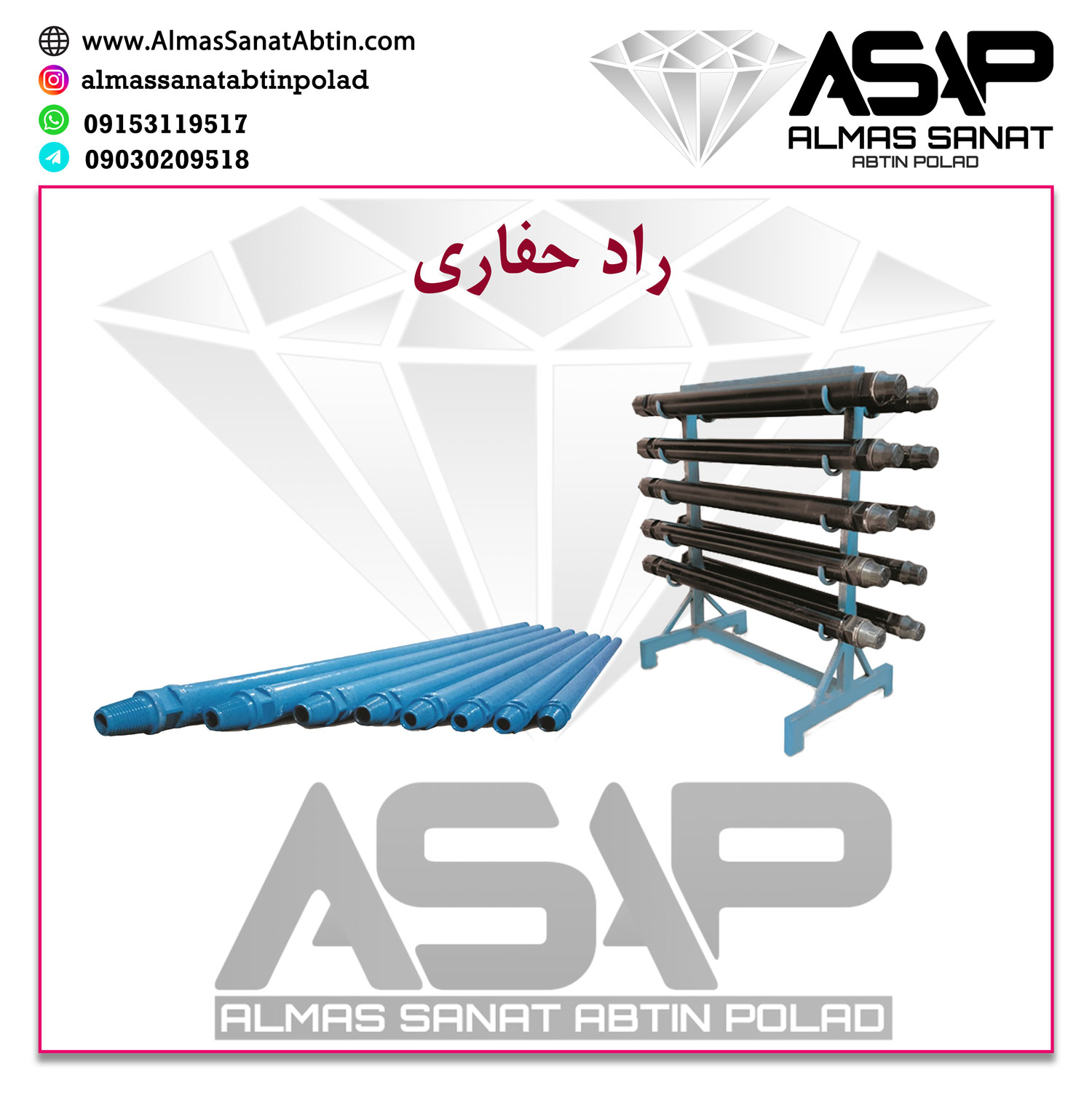
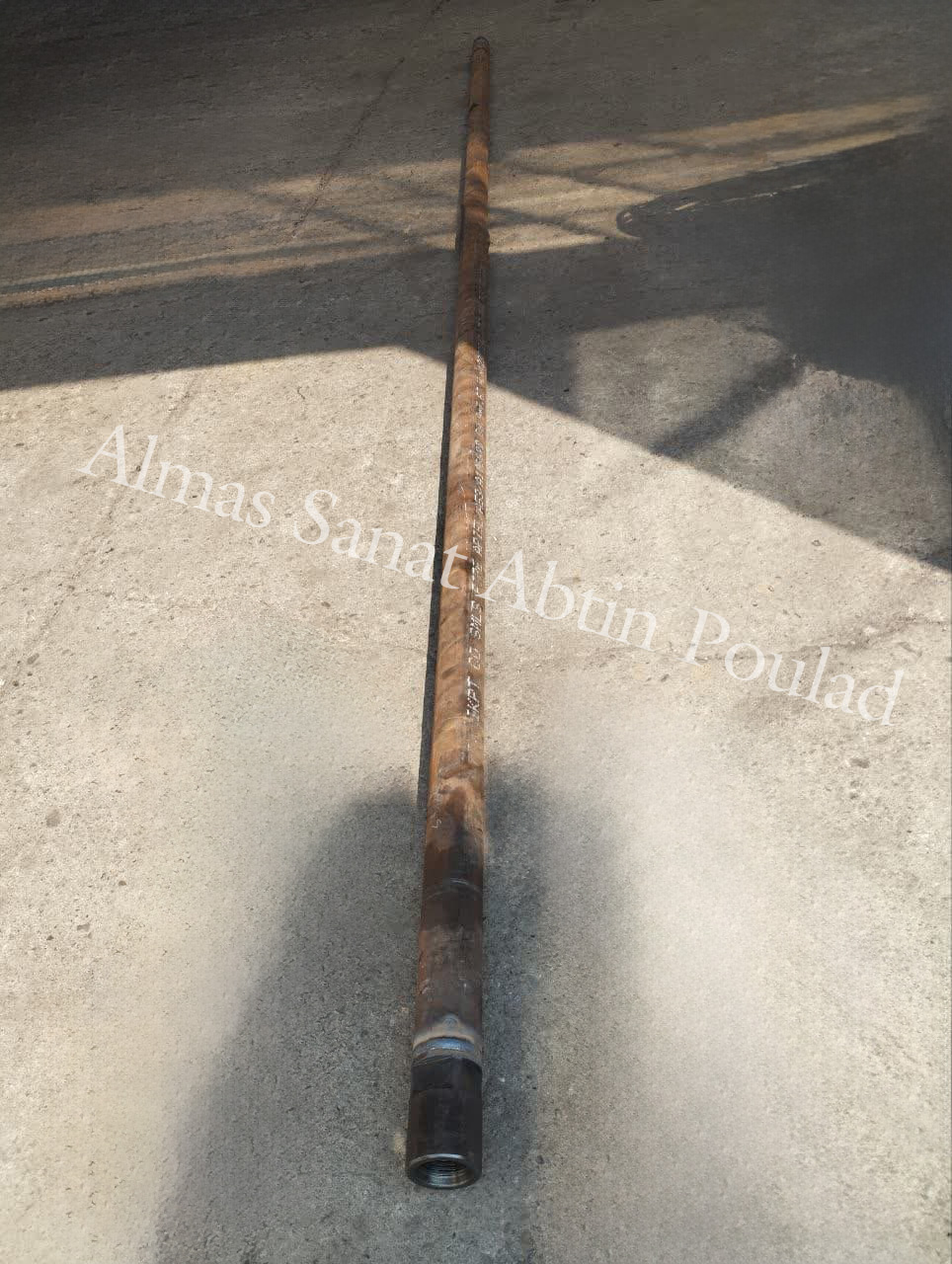
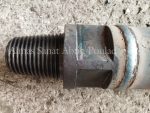
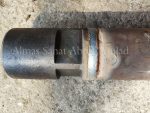
Drill rod
DTH drill rods are at the heart of impact drilling operations. When properly selected and maintained, they can significantly improve drilling speed, accuracy, and overall efficiency. However, reliable performance and a long service life depend on using a suitable compressor, carrying out regular maintenance, and choosing durable, high-quality drilling equipment.
DTH Mining Drill Rod (Down-The-Hole Drill Rod)
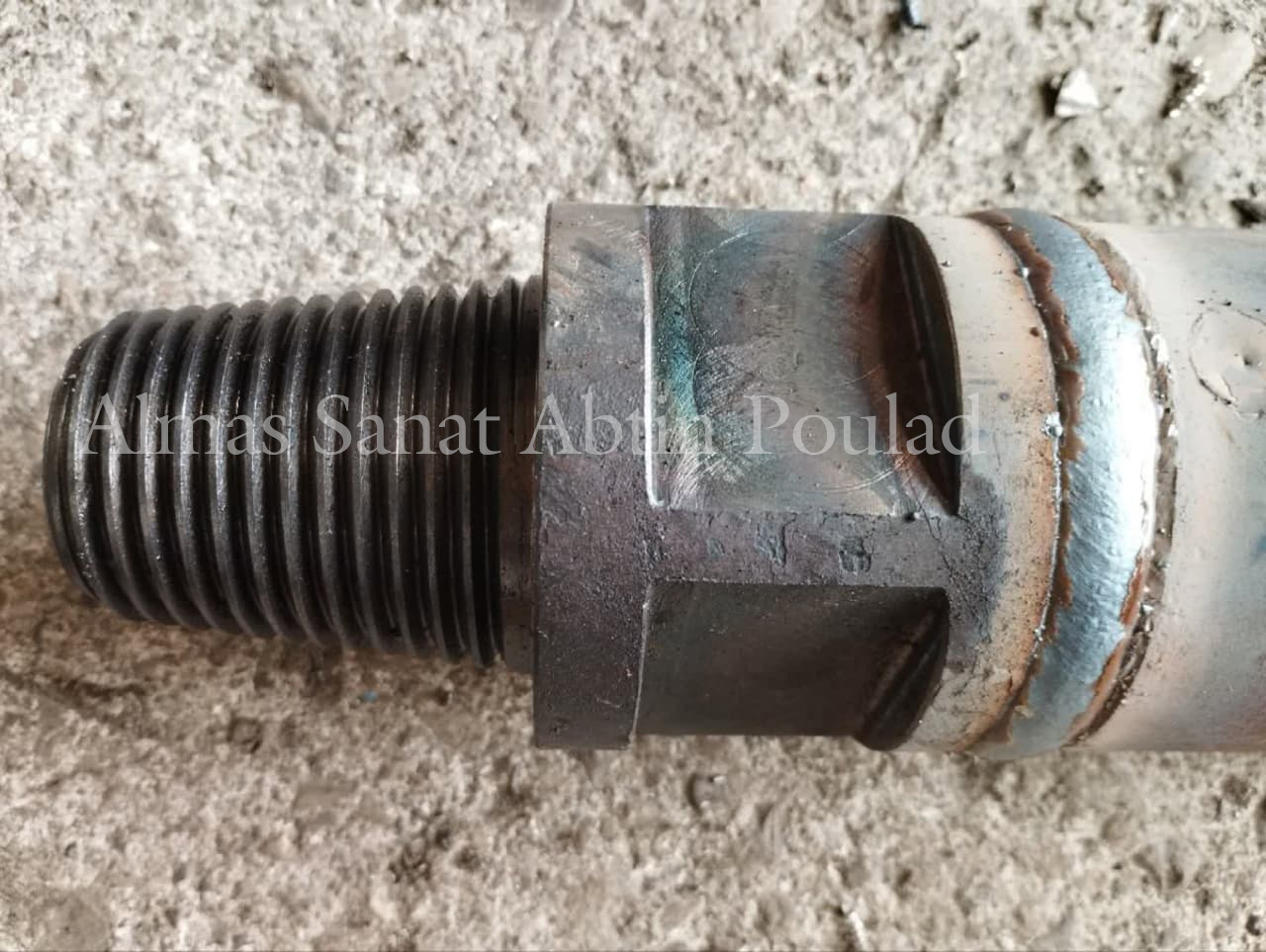
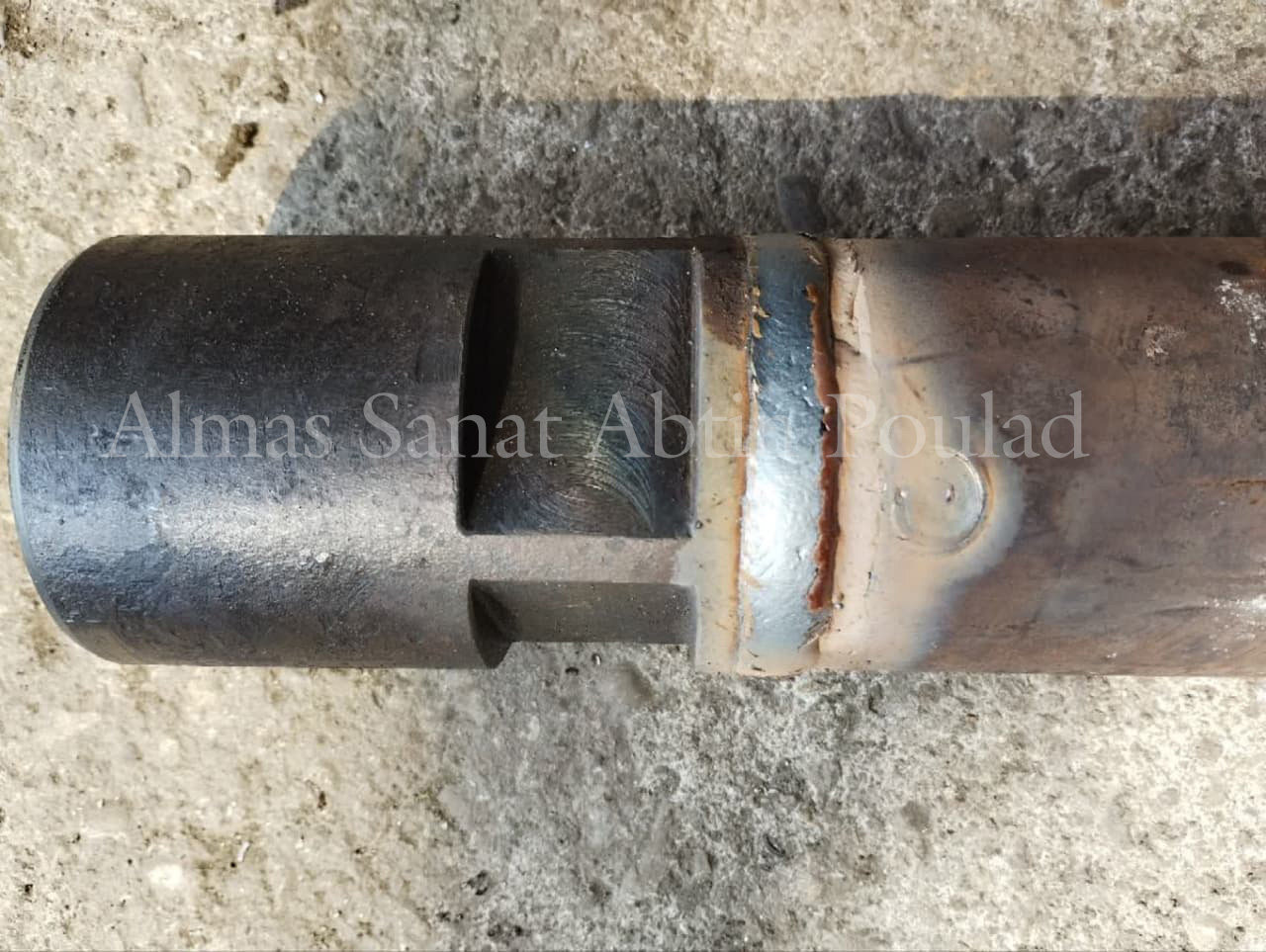
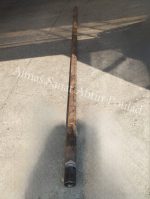
A DTH drill rod is one of the main components of an impact drilling system used in mining. Its primary function is to transfer compressed air and impact energy from the drilling machine to the bit inside the borehole. Due to its robust construction, the drill rod plays a critical role in drilling hard rock formations and blast holes.
Technical Specifications and Manufacturing Material
Body Material: Chromium–Molybdenum alloy steel (Cr-Mo Steel)
Surface Treatment: Heat treatment to improve resistance to impact and wear
Protective Coating: Plating or anti-corrosion coating to reduce friction and extend service life
Connection Type: Durable DTH threaded connection designed to minimize thread loosening and failure during prolonged drilling operations
Common Dimensions and Specifications of Mining Drill Rods
| Rod Length | |
| Rod Diameter | |
| Borehole Diameter | |
| Air Pressure | 5–7 bar (70–100 psi), depending on drilling equipment |
| Impact Rate | 500–2,000 blows/min, depending on rock type and bit |
Advantages of Using DTH Drill Rods in Mining
High drilling speed in hard rock formations, including granite, basalt, quartzite, iron ore, copper, and gold deposits
Reduced deviation and straighter drilling compared with conventional surface drilling methods
Efficient energy transfer due to the direct transmission of impact energy to the drill bit
Compatible with various DTH drill bits, including carbide, HCR, and TSP types
Suitable for exploration, blasting, geotechnical, underground, and open-pit drilling
Limitations and Maintenance Considerations
Requires a powerful and stable air compressor
Thread and rod-surface wear may occur without regular maintenance
Daily inspection of connections, threads, and air hoses is recommended
Regular bit sharpening and adjustment of air pressure according to equipment specifications are recommended



Reviews
There are no reviews yet.